Posts

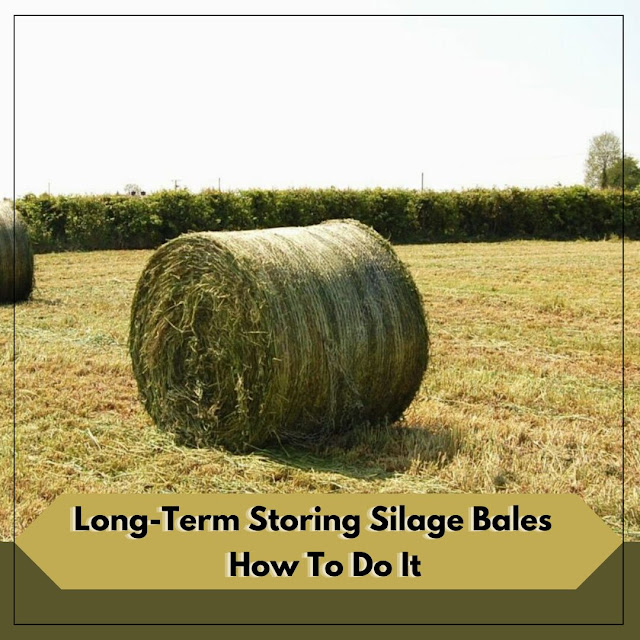
Long-Term Storing Silage Bales: How To Do It?
Image
So, you have made high-quality corn, sugarcane, or Wheat Silage for your dairy cows. That’s great, and now it is time for storage. Most people think that how we store silage doesn’t play a crucial part, people who are not knowledgeable yet, that is. However, it is possible to keep fodder for the long-term and still not lose its amount of nutrients. Store the Sugarcane Silage right, and you can preserve its quality and nutrients for decades. Thus you will have a surplus for the dry season. However, your fodder will lose quality and nutrients if the storage goes wrong. In this blog, we, Silage Agro Private Limited, will tell you about the long-term storing of silage bales. Here’s how to do it.   Silage storage techniques you need to know about   Conventionally there are five techniques to store Corn Silage For Sale . Below, we have listed these for your reference.   ●         Wrapped Bales. ●     ...
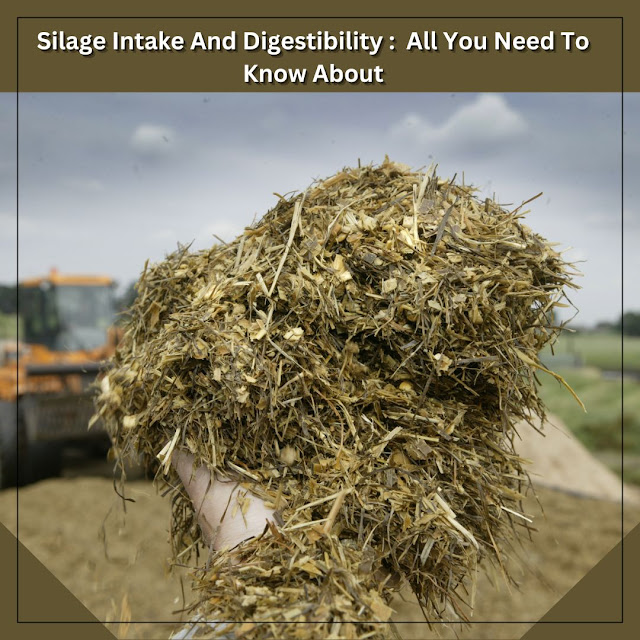
Silage Intake And Digestibility: All You Need To Know About

Image
  Making corn, wheat, or Sugarcane Silage and checking its quality is one thing, but knowing the intake and digestibility is another essential factor, especially when it comes to feeding it to your cows. Learning the fundamentals of silage intake and digestibility is also necessary to determine its effects on your dairy farm cattle. That’s what we want, high silage digestibility and intake for our cattle. Let us at Silage Agro Private Limited   find out all about silage intake and digestibility and how we can increase it. Factors determining silage intake and digestibility   The intake of silage is usually lower than that of fresh forage. It is because of the cows’ habits of roaming around and grazing on fresh grass. Here are some other reasons why our cows’ have low intake for silage.   ●         The presence of toxic substances created during the fermentation procedure as amino acids. ●      ...

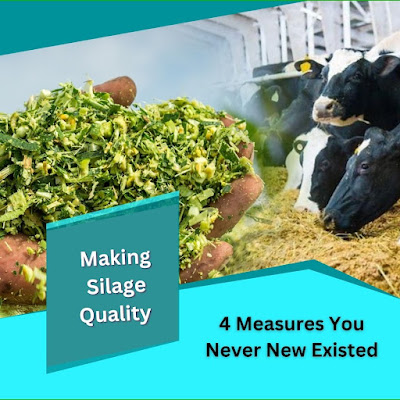
Making quality silage: 4 measures you never knew existed

Image
  The first rule of making Silage is that once you make a batch of Silage in a year, it becomes an essential ingredient for your feeding program. So if you make poor quality silage in a year, your next year’s feeding schedule will be ruined. In short, silage quality matters. On the other hand, a year of good weather and your excellent silage management skills, when applied, can yield top-quality fodder and perfect health and performance for your cattle.   We deal with many factors daily, which are out of our control, and Silage is one of those elements. However, we can control if we understand the elements of growing, chopping, and ensiling Silage. In that case, it can make all the difference between a year of dealing with forage problems and handling borderline milk yield and a year of perfect ruminant health, performance, and prosperity. In this post, we will know how to make quality Silage, but different from usual. We promise you haven’t heard of these four measures...

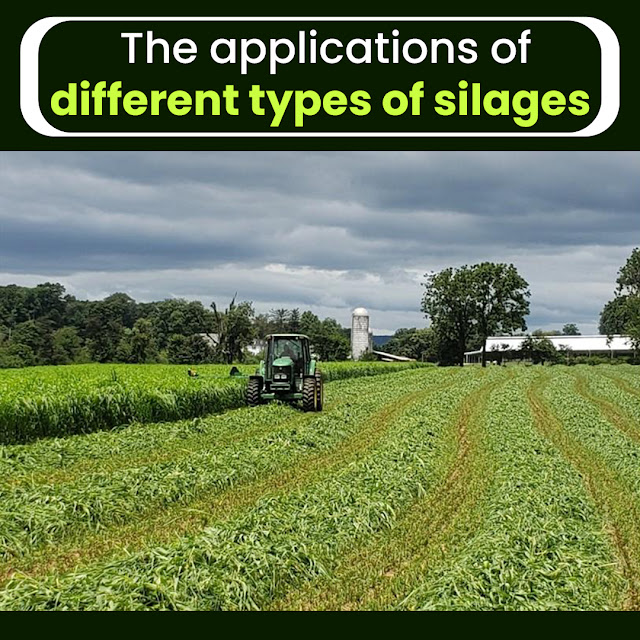
The Applications Of Different Types Of Silages

Image
  We have mentioned a few times now that Silage is available in various delicious flavors for your dairy farm animals. However, did you know that all these have different applications too? Well, as Silage Agro Private Limited, we will discuss the applications of different types of silages today.   Corn Silage Corn Silage is a well-known and preferred fodder because of many reasons, such as: ●         Corn Silage Bales are high in energy. ●         It is high in digestibility. ●         Corn Silage is easily adapted to mechanization from the standing crop to feed-out time.   Many dairy farms and some beef farms around the world use corn silages. It is also available as ready-to-eat fodder as NutriMeal Silage or any other name, depending on the manufacturer.   Advantages of corn silage ●         It can be fed to ...

Is Silage a Complete Feed for Medium Milk-yielding Cows?

Image
  In recent years, feeding silage to dairy cattle such as cows and buffaloes has become a significant trend as it has many benefits, which some of you already know about. In addition, it is a good choice for medium milk-yielding cows. But the question is, is silage a complete fodder for medium milk-yielding cows? We will find out in this post.     Benefits of feeding silage to cows   In this section, as Silage Agro Private Limited, we will look at the benefits of feeding silage to dairy cows and buffaloes.   ●         Silage is good for the health of cows, buffaloes, and ruminants. ●         This fodder is tasty and smells good, so the cattle eat more and gain more nutrients. ●         It increases milk yield in cows and buffaloes. ●         It is easily digestible, and thus your cattle can consume it witho...